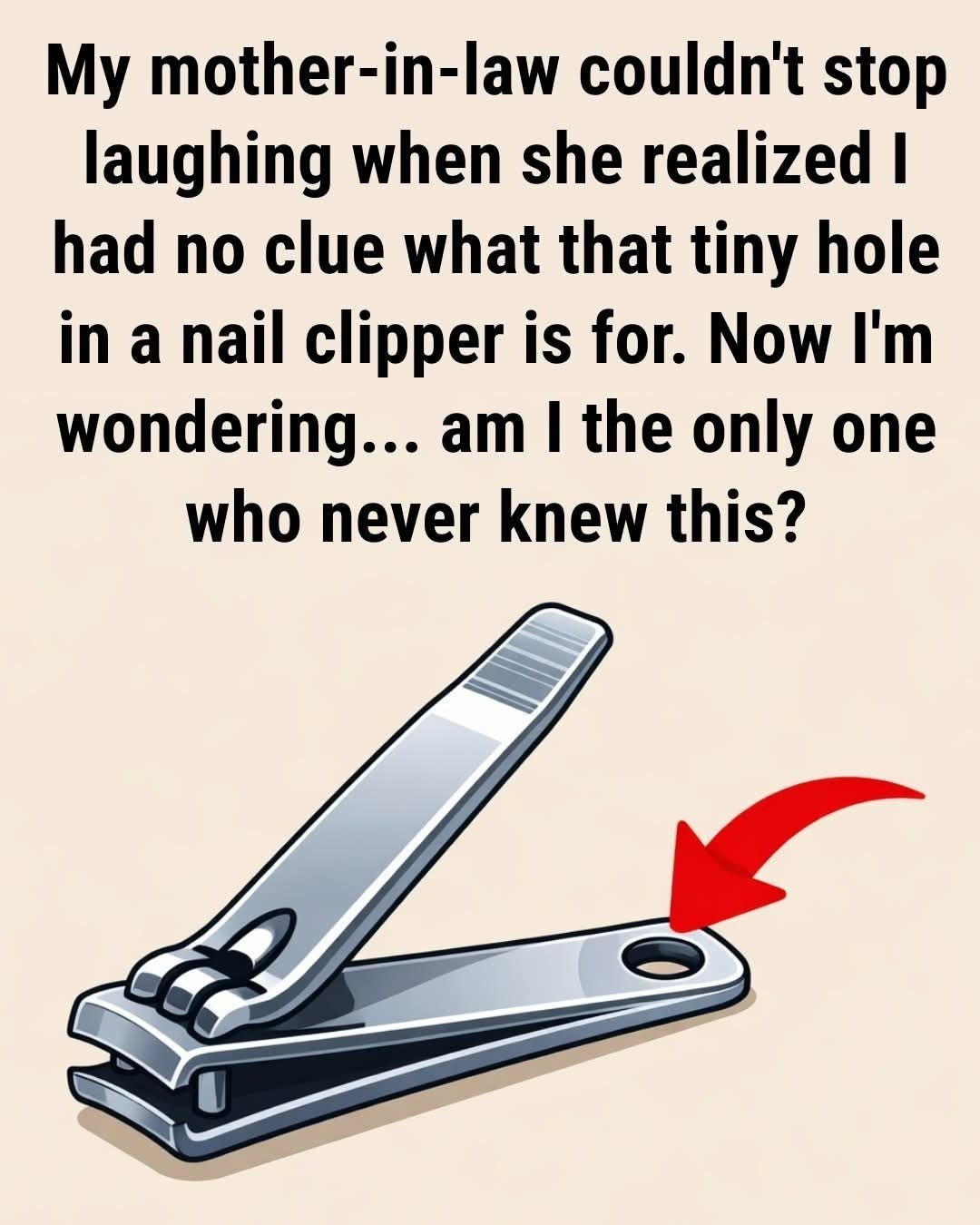
Once you start looking, you’ll notice your nail clipper has several other clever design elements:
The Curved Blade
The blade isn’t straight—it’s curved to match the natural shape of your fingernails. This is why toenail clippers have a straighter blade (toenails are flatter).
The File
That little metal piece that folds down? It’s a nail file. But on better clippers, it’s also designed to clean under your nails.
The Lever
The lever is positioned to give you maximum mechanical advantage—a simple machine that multiplies your force.
The Angled Head
Many clippers have a slightly angled head to make it easier to reach your nails at a comfortable angle.
Why This Matters
Good design is invisible. You use a nail clipper for years without thinking about why it works—you just know it does. But every feature, including that tiny hole, was thoughtfully included by someone who wanted to make your life just a little bit easier.
That little hole isn’t an accident. It’s a small masterpiece of functional design.
A Quick History of Nail Clippers
The modern nail clipper was patented in 1875 by Valentine Fogerty, though similar designs existed earlier. The basic mechanism—a wedge and lever system—has remained largely unchanged for nearly 150 years because it works so well.
That little hole? It’s been part of the design for almost as long.
The Bottom Line
That small round hole on your nail clipper is:
A keychain attachment point
A flying nail catcher
A grip enhancer
A file holder
A storage hook point
One tiny hole. Five useful functions. That’s smart design.
For Complete Cooking STEPS Please Head On Over To Next Page Or Open button (>)

How to Cook Corn on the Cob with Just 2 Simple Ingredients: The Secret to the Sweetest, Most Flavorful Summer Corn

No-Bake Key Lime Parfaits

Best Steak Marinade in Existence

Tomatoes: More Than Just a Burst of Flavor

This simple and powerful concoction combines turmeric