Engaging Introduction
If you’ve ever watched your peace lily produce that first elegant white bloom—arching proudly above its glossy green leaves—you know the quiet joy it brings. It feels like a vote of confidence from your plant: “You’re doing great. Keep going.”Peace lily care
I still remember the morning I saw my first peace lily flower. I’d had the plant for nearly two years. It was healthy—dark green leaves, no brown tips, steady growth. But no flowers. I started to wonder if I had a defective peace lily. A plant that was afraid of commitment.
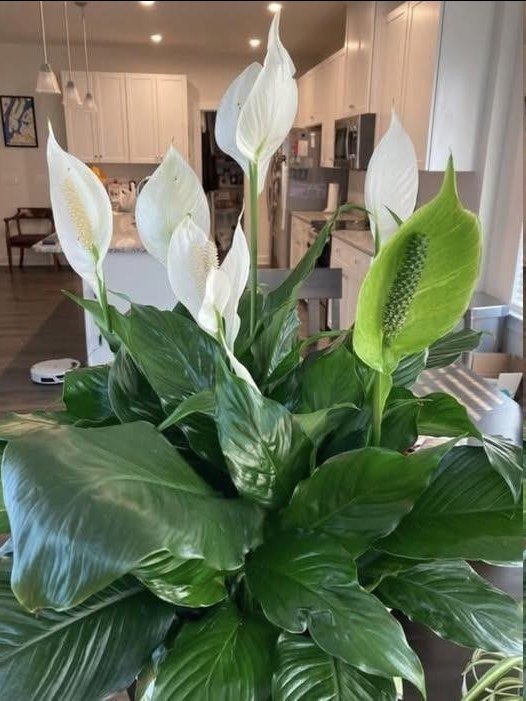
Then one day, I noticed a small green shoot emerging from the center of the leaves. It looked different—thicker, paler. I watched it for days, not daring to hope. And then, slowly, it began to lift. A white spathe unfurled, revealing the tiny spadix inside. I texted a photo to my plant-obsessed friend: “IS THIS A FLOWER?”
She replied, “Congratulations. You are now a real plant parent.”
That moment of joy is what keeps us caring for our green friends. But let’s be honest: many peace lilies spend months (or years!) as lovely leafy houseplants… with zero flowers. You water, you mist, you talk to it—but still, no blooms.
If that sounds familiar, don’t despair. You’re not doing anything wrong. You’re just missing a few key triggers.
Let me walk you through exactly how to convince your peace lily to flower—and keep flowering—all year long.Flora & Fauna
First, Understand Why Peace Lilies Flower (The Biology)
Before we fix the problem, let’s understand the plant.
Peace lilies (Spathiphyllum) are not true lilies. They’re tropical aroids native to Central and South America. In the wild, they grow on rainforest floors, receiving dappled light, consistent moisture, and warm temperatures.
The “flower” isn’t actually a flower. The white structure is a modified leaf called a spathe. The tiny bumps on the central spike (spadix) are the actual flowers. The spathe attracts pollinators. After pollination, the spathe turns green and eventually fades.
Why do peace lilies flower? To reproduce. When conditions are right (light, temperature, humidity, nutrition), the plant produces blooms to attract pollinators and produce seeds.
Why don’t they flower? Something is missing from that equation. The plant is happy enough to survive, but not quite happy enough to reproduce.Make-Up & Cosmetics
Your job is to figure out which trigger is missing.
For Complete Cooking STEPS Please Head On Over To Next Page Or Open button (>)
For Complete Cooking STEPS Please Head On Over To Next Page Or Open button (>)

How to Cook Corn on the Cob with Just 2 Simple Ingredients: The Secret to the Sweetest, Most Flavorful Summer Corn

No-Bake Key Lime Parfaits

Best Steak Marinade in Existence

Tomatoes: More Than Just a Burst of Flavor

This simple and powerful concoction combines turmeric